Insect Genomics, Physiology and Alpine Biology
Insect Genomics
Due to their tremendous diversity, insects offer incredible statistical power to leverage comparative genomics approaches to understand the genetic basis of trait evolution. Our lab has developed a number of genomic datasets to test questions at deep and shallow phylogenetic resolution. Increasingly, we are interested in using phylogenetic genotype to phenotype mapping (“PhyloG2p”) techniques to address key questions about the rapid radiations of insect species.
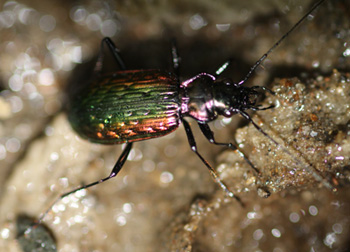
Current Projects: Repeated evolution of alpine beetles in the genus Nebria
Insect Physiology
As ectotherms, insects physically depend on external environmental conditions for their body heat and are vulnerable to environmental extremes. We are studying temperature and water-stress physiology, in order to understand the key environmental factors that limit insects, the genetic basis of these physiological traits, and to understand how insect evolve in response to ongoing environmental change.
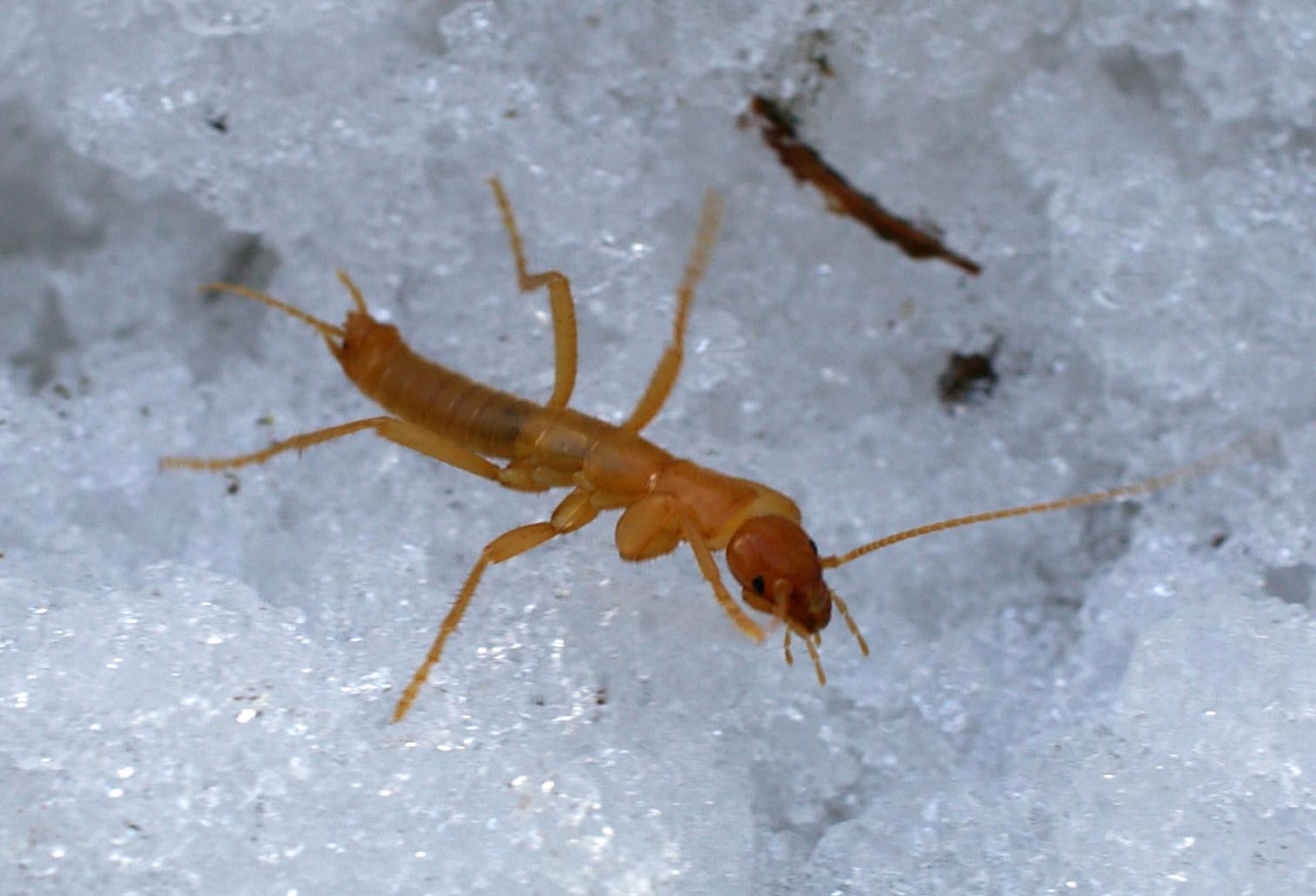
Current Projects: Cold-specialization and the evolution of thermal breadth in ice crawlers
Alpine Biology
Very few organisms inhabit alpine ecosystems, largely because of the physiological challenges that they encounter in these environments. Physical stressors include extreme and variable temperatures, reduced atmospheric oxygen, high ultraviolet radiation, and short growing seasons. How organisms overcome these challenges, how they regulate their seasonal and daily activity periods, and how they respond to episodes of climate variation remain open questions. A special focus of the lab is to explore the ecology and evolution of alpine organisms.
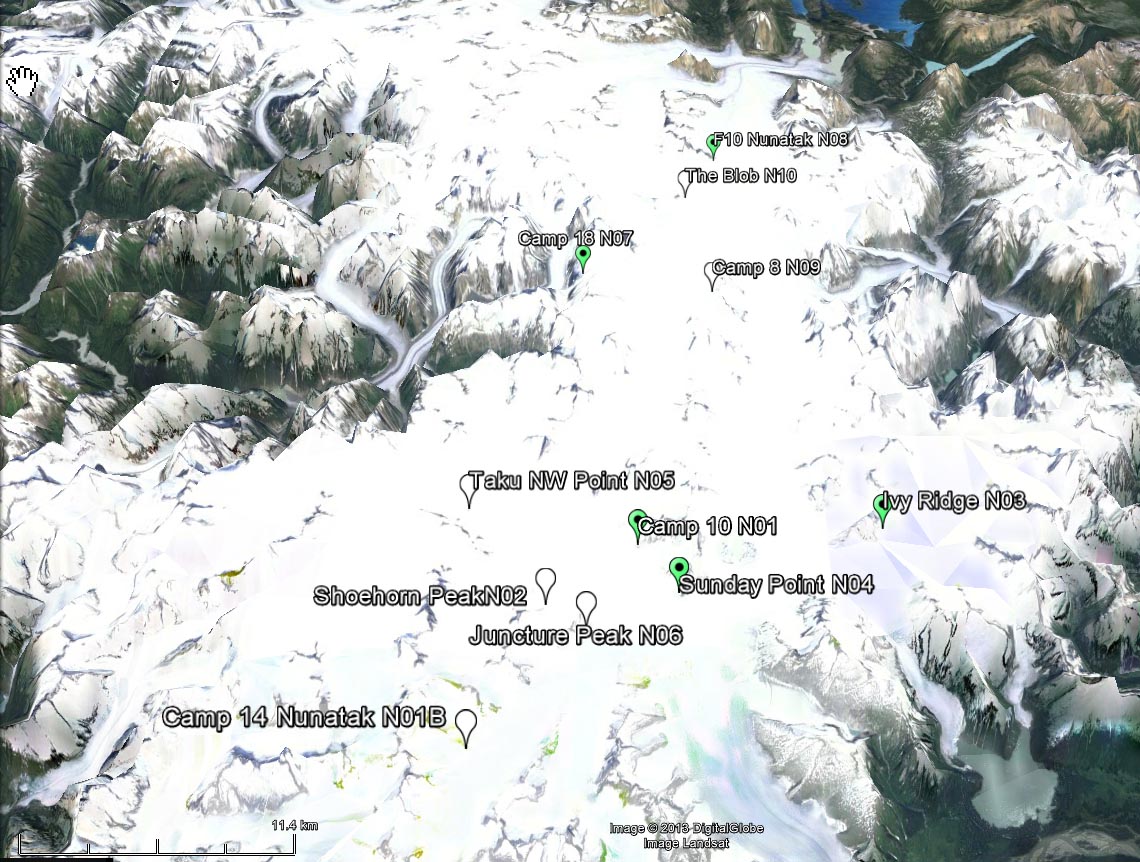
Current Projects: Alpine beetle colonization of nunataks in the Juneau Ice Fields; Snowpack reduction and climate warming in alpine snow-field insects.